
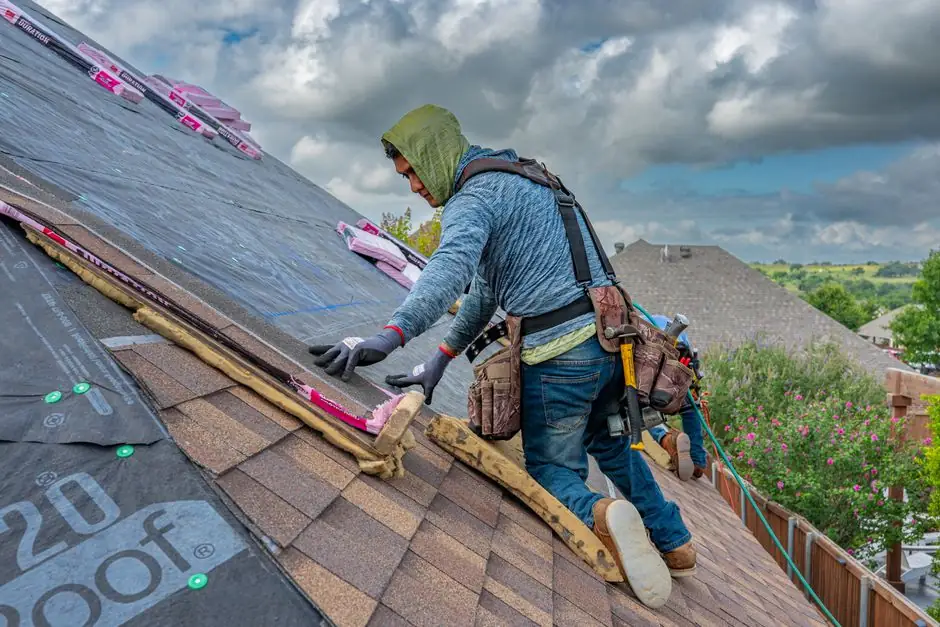
The best time to replace your roof in New York is late summer through mid-fall, roughly August 15 to October 31, when temperatures sit between 50°F and 75°F and shingles seal properly. Spring is the second-best window, from late April through early June, once the freeze-thaw cycle has ended. Roof replacement timing in New York matters because asphalt shingles need warmth to bond, and winter installs below 40°F can leave tabs unsealed until spring.
We schedule most of our Long Island and Hudson Valley work in that fall window for a reason. The rest of this post breaks down how each season affects your project, what 2026 pricing looks like, and the signs that say you should not wait another year.
The short answer: late summer through mid-fall
Roof replacement in New York is a seasonal trade, and the sweet spot is the eight-to-ten-week stretch from mid-August to the end of October. During that period, daytime highs in Westchester, Nassau, and Suffolk counties run 65°F to 78°F, shingle sealant activates within days, and crews are not fighting ice dams or 95°F heat.
Here is what that window gives you:
- Shingle sealant bonds fully before the first hard freeze, which usually arrives in early November.
- Longer daylight means crews can tear off and dry-in a roof in a single day on most homes.
- Manufacturer warranties are not affected by cold-weather installation caveats.
- You get ahead of the winter leak season instead of chasing it.
That last point is the one homeowners underestimate most. A roof that fails in January means emergency repairs in freezing rain, and we handle plenty of those through our emergency roofing services in New York.
Why New York's climate dictates the roofing calendar
New York roofing sits in a climate zone that swings from humid 90°F summers to single-digit winters, and that range rules out half the year for a clean installation. Asphalt shingles are the dominant material here, and their self-sealing strip needs surface temperatures above 50°F to activate. Below that, the tabs stay loose, wind gets under them, and you can lose shingles in the first nor'easter.
Two other climate factors matter:
- Freeze-thaw cycles. New York averages 100 to 130 freeze-thaw cycles per winter depending on how far north you are. That movement works on every nail, flashing joint, and sealant bead.
- Ice dams. From December through March, snowmelt refreezes at the eaves and pushes water under the shingles. A new roof with proper ice-and-water shield at the eaves is your best defense.
We see the freeze-thaw damage most in older housing stock. Communities like Ardsley have a lot of 1950s and 1960s capes with original roof decks, and those decks move more every year. If your home is in that age bracket, the calendar matters less than getting an honest assessment of what is under the shingles.
Spring vs fall roof replacement in New York
Spring and fall are the two viable seasons for roof replacement in New York, and the choice usually comes down to scheduling and material availability rather than quality. Both deliver temperatures in the 50°F to 75°F range, which is what shingles want.
Spring (late April to early June)
Spring is the best season for roof replacement in New York if you want to beat the summer backlog. Crews are coming off a slower winter, so you can often get on the schedule within one to two weeks. The ground is soft, which matters if you need a dumpster on the lawn, and you have the whole summer ahead to catch any punch-list items.
The catch is rain. April and May bring roughly 3.5 to 4 inches of rain per month in the New York metro, and a wet tear-off day can push your project by 48 hours. We watch the radar and never leave a roof open overnight.
Fall (mid-August to late October)
Fall is the most popular window, and for good reason. Rainfall drops, humidity falls, and the shingles seal fast. The trade-off is that everyone else wants the same slot. Book by July if you want a September or early October date.
One more fall advantage: if your roof has been leaking all summer, a fall replacement stops the damage before the water freezes and expands inside the deck.
Can you replace a roof in winter in New York?
Yes, you can replace a roof in winter in New York, but the work changes. Below 40°F, standard asphalt shingles will not seal on their own, so crews have to hand-seal every tab with roofing cement or use a cold-weather adhesive. That adds labor time and cost, and it is one more thing that can go wrong.
What we tell homeowners who ask about a December or January install:
- Expect a 15% to 25% labor premium for cold-weather handling.
- Some manufacturers void or limit the wind warranty if shingles are installed below their stated minimum temperature.
- Ice and snow on the deck have to be cleared before underlayment goes down, which can add a day.
- Emergency replacements are still worth doing. A tarped roof through a New York winter is a real risk.
If your roof is actively leaking in January, do not wait for spring. We would rather do a cold-weather replacement than watch water ruin your insulation and drywall. If the damage is localized, roof repair in New York can often get you to spring for a fraction of the cost.
How long does a roof replacement take in New York?
A typical asphalt shingle roof replacement in New York takes one to three days for a standard 1,500 to 2,500 square foot home. A simple gable roof with good access can be torn off and re-shingled in a single long day. Complex rooflines, multiple dormers, or steep pitches push it to two or three days.
Here is a realistic breakdown:
- Tear-off and inspection: 3 to 6 hours.
- Deck repair (if needed): 2 to 8 hours, depending on how much rot we find.
- Underlayment and ice-and-water shield: 2 to 4 hours.
- Shingle installation: 6 to 12 hours.
- Flashing, vents, and ridge cap: 2 to 4 hours.
Weather can add a day. A flat roof using modified bitumen or TPO runs similar, though we often split it across two days to let seams cure. If you have a flat roof, our flat roofing in New York crews handle the membrane work separately from the shingle teams.
What roof replacement costs in 2026
Typical 2026 pricing for a full asphalt shingle roof replacement in the New York metro runs $9,500 to $22,000, with most single-family homes landing between $12,000 and $17,000. That is for tear-off, new underlayment, ice-and-water shield at the eaves, architectural shingles, and new flashing.
What moves the number:
- Roof size and pitch. A steep 10/12 pitch takes longer and costs more in labor.
- Layers. A second layer of old shingles adds $1,500 to $3,000 in tear-off and disposal.
- Deck condition. Replacing rotted sheathing runs $75 to $150 per sheet.
- Material. Standing-seam metal or cedar shake can double the shingle price.
Off-season scheduling can save you 5% to 10% on labor because crews are not booked solid. That is one of the few real advantages of a late-fall or early-spring install.
Signs you should not wait another season
Timing is a planning tool, not a reason to ignore a failing roof. If you see any of the following, schedule an inspection now regardless of the month:
- Shingle granules collecting in gutters or at downspout outlets.
- Curling, cracking, or missing shingles on south- and west-facing slopes.
- Daylight visible through the roof boards in the attic.
- Stains on ceiling drywall or rafters after a heavy rain.
- Two or more leaks in the same season.
A roof that is 20 to 25 years old in this climate is at the end of its service life. Waiting a year usually costs more than replacing it, because water damage spreads into insulation, drywall, and framing.
Common mistakes homeowners make with roof replacement timing
The biggest mistake we see is waiting until the roof is actively leaking to call. By then you are paying for emergency work, interior repairs, and a full replacement instead of just the replacement.
Other missteps:
- Booking in July for an October date. Fall slots fill by mid-summer. Call in spring or early summer.
- Assuming winter is off-limits. It is not, but you need a crew that knows cold-weather methods.
- Ignoring the deck. A cheap quote that skips deck inspection usually means change orders later.
- Skipping the attic check. Ventilation problems cause premature failure no matter when you install.
- Not asking about ice-and-water shield. In New York, it should be standard at the eaves and in valleys.
If you are not sure whether you need a full replacement or a targeted fix, a professional roof inspection New York homeowners trust will tell you in about an hour. We would rather tell you the roof has three years left than sell you one you do not need.
When to call a professional
Call a roofer when you see granules in the gutter, stains on the ceiling, or shingles lifting after a storm. Those are the three signals that separate a maintenance issue from a replacement.
Our team at RoofPros New York handles inspections, repairs, and full replacements across the metro. We will tell you what the roof actually needs and what it can wait on. If you are in a neighborhood like Bay Shore and want a straight answer before winter, we can get out this week.
Frequently Asked Questions
When is the best time to replace a roof in New York?
Late summer through mid-fall, roughly August 15 to October 31, is the best window. Temperatures between 50°F and 75°F let asphalt shingles seal properly, and you finish before the first hard freeze in early November.
What season is best for roof replacement in New York?
Fall is the most popular season, followed closely by late spring. Both offer moderate temperatures and manageable rain. Fall has the edge because shingles seal faster and you are ahead of winter.
Can I replace my roof in winter in New York?
Yes, but expect a 15% to 25% labor premium and hand-sealing of every shingle tab. Below 40°F, standard shingles will not bond on their own, so cold-weather adhesives are required.
How long does roof replacement take in New York?
Most homes take one to three days. A simple gable roof can be done in one long day; complex rooflines, steep pitches, or deck repairs push it to two or three days. Rain can add a day.
Get help with Roofing in New York
If your roof is 20 years or older, or you saw granules in the gutter this fall, now is the time to get it looked at. We will give you a clear answer on whether you can wait until spring or need to schedule a replacement this season.
Call RoofPros New York at (833) 829-2623 to book an inspection or a replacement estimate.