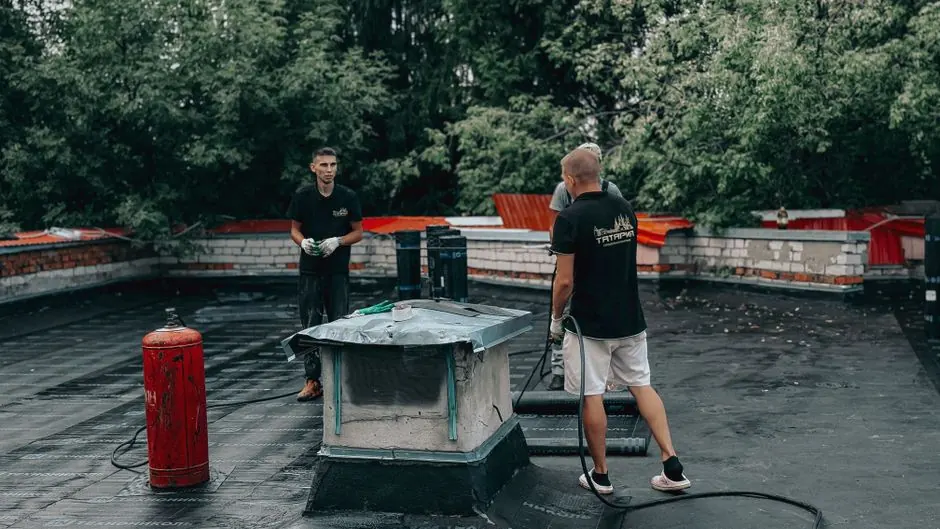
Full Roof Inspection
We walk the deck, check every seam, flashing, and drain, and run an infrared moisture scan on larger roofs. You get photos and a written scope the same day, so you can see exactly what we found.
Every flat roof job includes the core scope below. Tear-off versus overlay, insulation thickness, and drain upgrades depend on what your deck needs, and we price those separately before you commit. You always see the full number before we start.
We walk the deck, check every seam, flashing, and drain, and run an infrared moisture scan on larger roofs. You get photos and a written scope the same day, so you can see exactly what we found.
TPO, EPDM, or modified bitumen, heat-welded or adhered to spec. We set the membrane over cover board and tapered insulation so it drains toward the scuppers instead of holding water in the middle of the field.
New roof flashing at walls, curbs, and penetrations, plus drip edge at the perimeter. This is where most flat roof leaks start, so we detail it by hand rather than trusting a tube of roofing cement.
We clear clogged gutters and interior drains, then flood-test them before we leave. A flat roof that cannot drain will pond, and ponding water is what kills the membrane years early.
We register your GAF, Firestone, or Carlisle SynTec warranty in your name and hand you the paperwork the day we finish. Workmanship coverage is included on top of the manufacturer material warranty.
Flat Roofing in New York is the design, installation, and repair of low-slope roof systems that move water off the deck instead of letting it sit. We work with TPO membrane, EPDM rubber, and modified bitumen over roof decking, setting each layer with the right underlayment, roof flashing, and drip edge so the seams stay sealed through freeze-thaw cycles. A flat roof is never truly flat; we build in a quarter-inch-per-foot slope toward drains and scuppers.
New York flat roofing services matter most on homes and commercial buildings where ponding water, ice dams, and wind uplift wear a membrane down faster than sun alone. A flat roof installation and repair in New York often starts with a leak that shows up as a ceiling stain two rooms away from the actual breach. We trace it back to the flashing failure or clogged gutter causing it, then fix the source, not the stain.
Every job follows the same five steps, whether it is a 400-square-foot garage or a 40,000-square-foot commercial building. You know what happens and when.
Schedule
Call or book online — a real human picks up and confirms a 2-hour arrival window.
Diagnose
Licensed tech inspects on-site, then walks you through the cause and your options.
Fix
The job is completed to code and done right the first time — no shortcuts, no surprises.
Guarantee
Every job backed by a written workmanship warranty — and we stand behind it.
 Tools & Equipment
Roofing torch
Used for torch-down modified bitumen, heating the membrane and the substrate so the layers fuse into one continuous sheet at the seams.
Nail gun and roofing nailer
Fastens cover board, insulation, and base sheets to the deck at the correct spacing so wind uplift does not start at a loose fastener.
Pry bar and utility knife
Cuts out failed membrane and flashing cleanly so the new material bonds to a sound edge instead of a frayed one.
Chalk line and shingle cutter
Lays out straight courses and clean cuts on membrane and insulation, which keeps the field uniform and the seams aligned.
Safety harness and roofing ladder
OSHA-compliant fall protection and stable roof access for every crew member, every job, every day.
Heat-welded TPO seams
We run a hot-air welder along every seam and test the weld by hand and with a probe. A properly welded TPO seam is stronger than the membrane field itself, which is why it is our default for large flat decks.
Infrared moisture scanning
The camera reads temperature differences to show where insulation is wet under the membrane. It tells us whether a repair will hold or whether the deck needs a full tear-off before we quote the job.
Tapered insulation layout
We design the insulation thickness across the deck to build a quarter-inch-per-foot slope to the drains. This is the single biggest factor in whether a flat roof reaches 30 years or fails at 12.
Flood testing
Before we leave, we flood the drains and low spots and watch how the water moves. If it ponds anywhere, we fix the slope or the drain right then, not after the next storm.
01
What we do: We inspect, run a moisture scan, and either repair the failed section or replace the membrane if the deck is saturated. You get both prices and a straight recommendation.
→ A dry ceiling and a roof with a registered warranty, usually inside a week from the first call.
02
What we do: We re-flash every curb and penetration with new membrane and sealant, then flood-test the drains. Commercial flat roofing New York building owners can schedule around tenant hours.
→ No more drip buckets in the stockroom and a maintenance plan that keeps the warranty valid.
03
What we do: We assess the remaining life of the membrane, check the deck for rot, and tell you whether to replace first or proceed. If replacement is needed, we build the slope and insulation to handle the added load.
→ A roof that supports the new use instead of failing under it two years later.
New York flat roofs live through a hard freeze-thaw cycle every winter and full summer UV the rest of the year, which is why seam integrity and drainage matter more here than in milder states. Building stock varies block to block: Long Island split-levels and capes with low-slope additions, Westchester commercial buildings with Firestone and Carlisle SynTec membranes, and Hudson Valley homes where tree cover keeps gutters clogged. We pull permits locally and follow each municipality's code on insulation R-value and edge securement. If you are searching for flat roofing near me in New York, the crew that shows up will be based in your region, not driving three hours. We schedule tear-offs around the forecast because a membrane cannot be welded onto a wet deck, and we keep tarps on the truck for the calls that cannot wait.
South Shore Long Island
Salt air and nor'easters push wind uplift testing to the limit here. We add perimeter fastening on Baldwin, Oceanside, and Valley Stream roofs as standard.
Hudson Valley
Heavy tree cover in Carmel, Somers, and Ridge means clogged gutters and moss. Twice-a-year drain clearing is the norm on these roofs.
Westchester commercial corridor
Flat decks loaded with HVAC curbs and skylights in Irvington and Tappan. Penetration flashing is where most of our repair calls start.
North Shore Nassau
Older homes in Great Neck and New Hyde Park often have three or four layers of old roofing. We tear off to the deck and rebuild the slope.
Freeze-thaw cycles from December through March
Water works into any open seam, freezes, and pries it wider. We detail flashing and perimeter edges heavier than a warm-climate crew would.
Summer surface temps above 150 degrees on dark membrane
Thermal expansion stresses seams and flashing all season. Heat-welded TPO handles it better than adhesive seams, so we default to welded systems.
Nor'easter wind uplift on coastal roofs
Corners and edges peel first. We add fasteners at the perimeter and use cover board to spread the load across the deck.
Flat roofs fail in predictable ways, and most of them trace back to water that could not get off the deck. Here are the calls we get most and how we handle them.
Problem
Standing water breaks down seams and adds weight the deck was never engineered for. Left alone, it finds a way through within a season or two.
Our Fix
We add tapered insulation or re-pitch the deck so water reaches the drain, then install a new membrane over a clean, dry substrate. Flood-testing confirms it drains before we call the job done.
Problem
Meltwater refreezes at the eaves, lifts the membrane edge, and pushes water into the insulation. By the time you see a ceiling stain, the deck is already wet.
Our Fix
We install ice and water shield along the perimeter, re-seal lifted edges, and check the attic-side ventilation that feeds the freeze-thaw cycle. Most ice dam calls get resolved in a single visit.
Problem
Flashing takes the most thermal movement on any flat roof. When it pulls away, water runs straight down the wall cavity and shows up far from the actual breach.
Our Fix
We cut out the failed flashing, install new metal or membrane flashing with proper termination, and seal the counterflashing. Then we hose-test the repair to prove it holds.
Problem
High winds peel back membrane at the corners and edges first. A lifted seam lets the next rain straight into the insulation, and the wet area spreads fast.
Our Fix
We tarp the open section the same day, then re-fasten or re-adhere the field and add perimeter fastening where the uplift started. Insurance documentation is included if you are filing a claim.
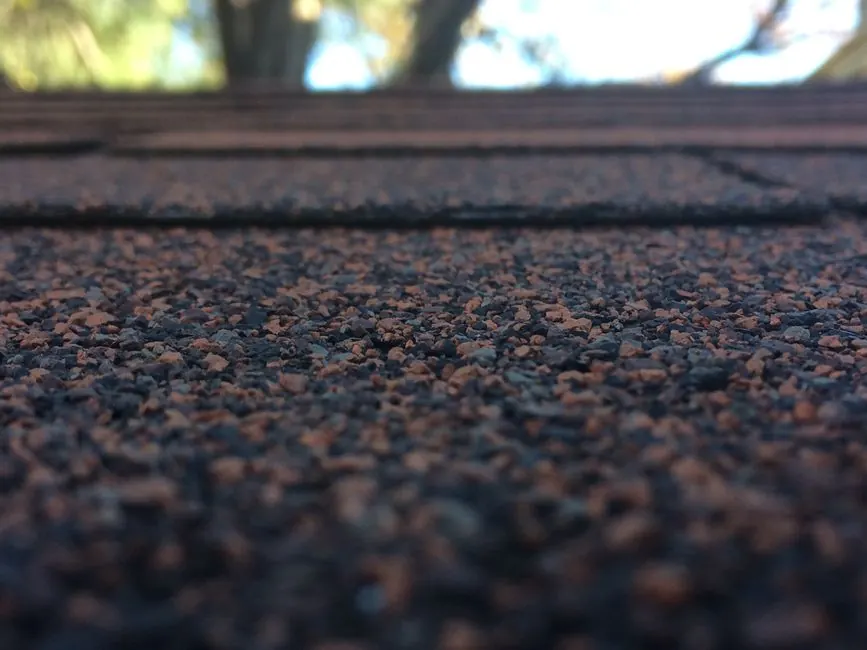
Flat roofs give you usable deck space, lower material cost per square foot, and easy access for HVAC and solar. Here is what our New York customers get when we install or repair one.
Sealed Against Ponding Water
We heat-weld TPO seams and set tapered insulation so water runs to the drain instead of pooling. Ponding water is the number one killer of flat roofs in New York, and a properly pitched deck adds years to the membrane.
Stands Up to Ice Dams
Ice and water shield along the eaves plus a reinforced membrane field keeps meltwater from backing under the seams. After a hard freeze, we inspect the perimeter and re-seal any lifted edge before spring rain finds it.
Commercial-Grade Warranties
GAF, Firestone, and Carlisle SynTec systems carry manufacturer warranties up to 20 years on materials when installed by certified crews. We register the warranty in your name and hand you the paperwork the day we finish.
Lower Long-Term Cost
A flat roof installation New York homeowners and property managers choose usually costs less per square foot than steep-slope roofing, and repairs are faster because we can walk the whole surface safely. Budget-friendly, and it keeps HVAC units serviceable.
Typical 2026 pricing for flat roof installation and repair in New York runs $6 to $12 per square foot for residential membrane replacement and $10 to $18 for commercial TPO systems with tapered insulation and cover board. Repairs start around $450 for a seam or flashing fix. The variables below move the number most, and we give you a written price before any work starts.
Typical Investment Range
$450 - $18,000+ depending on repair scope or full replacement size
A flat roof done right the first time costs less than two cheap repairs plus the water damage in between. We price the whole scope up front so there are no surprises after the tear-off starts.
What changes the price
Roof size and access
Larger decks cost less per square foot because setup and mobilization spread across more area. Steep access, tight side yards, or a roof only reachable by ladder add labor.
Tear-off versus overlay
If code allows an overlay and the deck is dry, you skip disposal and save real money. Multiple existing layers or wet insulation force a full tear-off, which adds disposal and deck repair.
Insulation and slope
Tapered polyiso to build proper drainage costs more than flat board, but it is what keeps the roof from ponding. Skipping it is the most expensive shortcut on a flat roof.
Membrane system
TPO and EPDM price differently, and manufacturer warranty length tracks the system you choose. A 20-year GAF or Firestone system costs more up front than a 10-year builder-grade membrane.
Penetrations and flashing
Every HVAC curb, skylight, pipe boot, and wall tie-in is a place water can get in. More penetrations mean more detail labor, and that shows up in the price.
Google ★★★★★4.9
They found the actual leak on our flat roof when two other companies just wanted to re-coat the whole thing. Honest pricing and the repair has held through two winters.
Yelp ★★★★★4.8
Tarped our commercial building the same day we called after a storm. Came back with the permanent repair once it dried out. Documentation for insurance was thorough.
BBB ★★★★★4.9
New TPO roof on our addition. Crew was clean, swept for nails, and walked us through the warranty. No surprises on the final bill.
Our crews hold GAF Master Elite and Owens Corning Preferred Contractor credentials, plus NRCA membership and OSHA safety certification. We carry the New York State Home Improvement Contractor License and pull permits in every municipality we work in. Flat roofing is unforgiving work: one bad seam means a ceiling stain six months later. That is why our installers train on heat-welding and flashing detail before they touch a customer's roof, and why every job gets a moisture scan before and after.
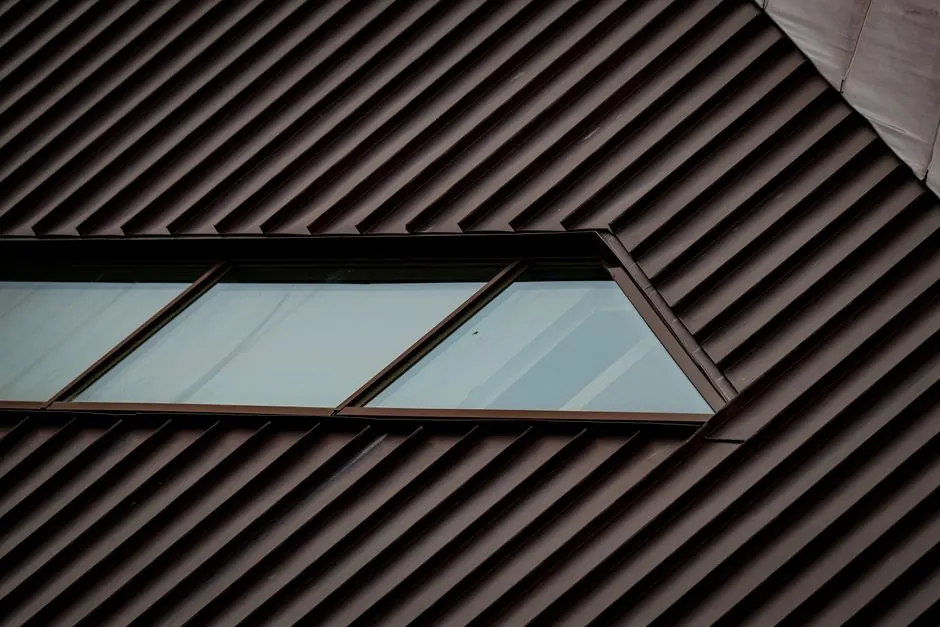
Our New York flat roofing services run from the South Shore through Nassau, Suffolk, Westchester, and the Hudson Valley. Crews are staged regionally so a flat roof installation and repair in New York gets to your address fast, with the same certified installers and the same written pricing everywhere we work.
South Shore wind uplift is real in Baldwin, so we add perimeter fastening and check every seam after a nor'easter. Most flat roof repairs here are flashing and edge work.
Blue Point roofs deal with salt air and heavy tree cover. We clear drains, check for moss at the edges, and weld TPO seams that hold up to the coastal cycle.
Carmel sits in the Hudson Valley freeze-thaw zone, where ice dams are the number one call. We install ice and water shield at the perimeter and correct attic ventilation.
Congers has a mix of older homes with low-slope additions. We tear off to the deck when there are multiple layers and rebuild the slope so water actually drains.
East Meadow flat roofs often pond in the middle of the field. We add tapered insulation to build the pitch and flood-test the drain before we leave.
Fishkill winters are hard on membrane edges. We re-seal lifted perimeter flashing each spring and keep gutters clear so meltwater has a path off the roof.
Great Neck homes frequently carry three or four old roof layers. We tear off to the deck, replace any rot, and install a fresh membrane with a registered warranty.
Hicksville commercial buildings with HVAC curbs on the roof are our most common repair call. We re-flash every penetration and flood-test the drains.
Irvington's older building stock means irregular decks and tight access. We scan for wet insulation first so we know whether a repair will hold or a tear-off is needed.
Lake Grove roofs see heavy leaf drop each fall. We clear clogged gutters and interior drains, then check seams before the first freeze.
Malverne's capes and split-levels often have flat sections over additions. We tie the new membrane into the pitched roof flashing so the transition does not leak.
Melville has a lot of commercial and office flat decks. We handle Firestone and Carlisle SynTec systems, re-weld lifted seams, and set up maintenance plans.
Monsey properties mix flat and pitched roofs on the same building. We shingle the slopes and weld the flat membrane, detailing the transition by hand.
New Hyde Park flat roofs are often past 20 years and ponding. We price both repair and full replacement so you can see the real numbers side by side.
Oceanside coastal roofs take wind uplift at the corners first. We add fasteners at the perimeter and use cover board to spread the load across the deck.
Real answers to the questions we hear most often from local homeowners and property managers.
New flat roof installation New York property owners can bundle with a full tear-off and deck rebuild. We handle the membrane, insulation, and flashing in one scope so nothing gets left for a second contractor.
View Roof InstallationWhen a flat roof is past saving, replacement swaps the whole system: tear-off, new decking, tapered insulation, and fresh membrane. We recycle the old material and register the new warranty the same week.
View Roof ReplacementSeam splits, flashing failure, and punctures from HVAC techs are the repairs we see most. We heat-weld patches into the existing membrane so the repair bonds instead of sitting on top as a temporary fix.
View Roof RepairLeak tracing on a flat roof means following water uphill from the stain. We use moisture meters and hose testing to find the entry point, then repair the flashing or seam causing it, not just the visible damage.
View Roof Leak RepairAn annual flat roof inspection catches ponding, clogged drains, and lifted seams before they leak. We photograph everything, document the membrane condition, and give you a priority list with prices.
View Roof InspectionTwice-a-year maintenance clears drains, checks seams, and re-seals penetrations. It is the cheapest way to reach 30 years on a flat roof, and it keeps the manufacturer warranty valid.
View Roof MaintenanceCall (833) 829-2623 any time, day or night. Our phone is answered around the clock for emergency leaks and storm damage, and standard estimates are booked within 24 to 48 hours. You can also email [email protected] with photos of the problem and we will get back to you the same business day.
Phone
(833) 829-2623Address
New York
Hours
Mon–Fri: 7AM – 7PM
Sat: 8AM – 4PM
Sun: Emergency Only
24/7 Emergency Available